Paint protection film has shifted from a niche accessory for high-end cars to a mainstream surface-protection category used by dealers, fleet operators, and independent detailers. Industry estimates put the global paint protection film market at roughly USD 1.1–1.4 billion in 2024, with annual growth in the high single digits. The technology has also changed: aliphatic TPU base films, self-healing top coats, low-haze clear coats, and matte or satin finishes are now standard topics in paint protection film selection. The commercial problem is not whether film works. It is how buyers separate consistent suppliers from inconsistent ones when product claims sound similar.
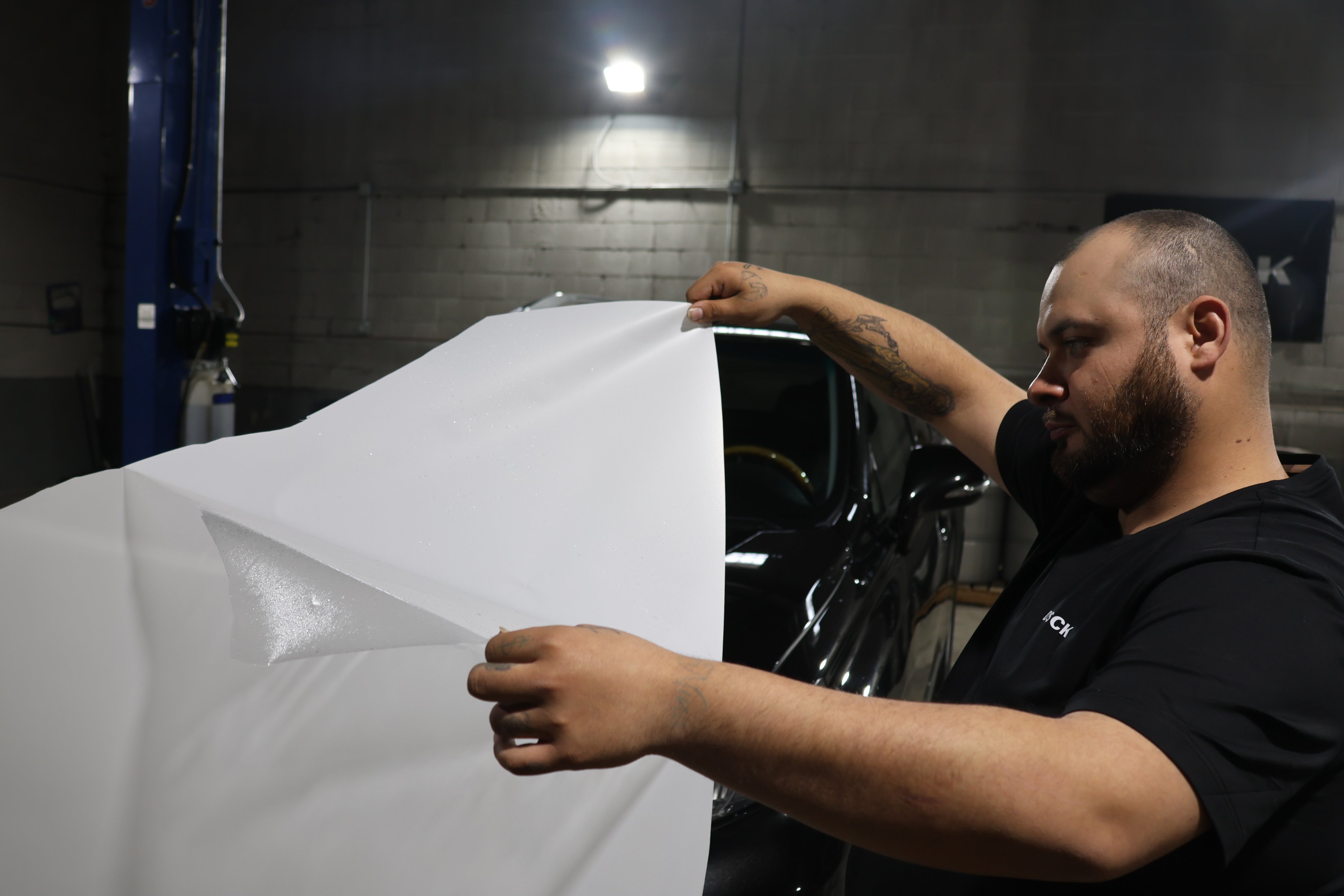
That problem has three layers. First, performance claims are hard to verify without accelerated weathering data, peel-strength tests, and real installation records. Second, installation quality can matter as much as the film itself; a 180-micron film applied with poor surface preparation can fail earlier than a 150-micron film applied correctly. Third, warranty terms often differ in exclusions, labour coverage, and transferability. Most buyers therefore ask three practical questions: Which paint protection film core metrics predict long-term yellowing and delamination? How should a buyer compare installation networks rather than brochures? And which commercial model fits a dealer group, a fleet, or a single workshop? Those questions frame the rest of this analysis.
1. Industry context: why paint protection film decisions became harder
1.1 Demand is moving from discretionary to operational
Dealer groups use paint protection film to protect inventory and improve delivery margin. Fleets use it to reduce paint repair cost on high-utilization vehicles. Consumers use it to preserve resale value and avoid stone-chip repair. According to industry observation, the fastest-growing channels are dealer-installed programs and fleet contracts, not single retail installs. That shift raises the importance of supply consistency, pattern libraries, and installer certification.
1.2 Supply is fragmented across film makers and brands
The category includes film manufacturers, converters, private-label brands, and installation networks. Some brands control the full chain from TPU extrusion to top-coat formulation; others source rolls and focus on cut patterns and channel distribution. Neither model is inherently superior. The risk is a buyer comparing a film-maker’s technical data with a converter’s marketing copy. A sound paint protection film provider comparison must separate film performance, installation system, and warranty administration.
1.3 The decision dilemma is total cost, not unit price
A roll price is visible; premature yellowing, adhesive failure, and rework are not. Most enterprise buyers report that total cost of ownership is driven by rework rate, installation hours, and warranty claims, not by the film’s per-metre price. That is why a structured screening framework is more useful than a single specification sheet.
2. A five-dimension screening framework for paint protection film selection
We use five dimensions with explicit考察 points. The weights below reflect commercial risk, not a public ranking.
2.1 Film performance and ageing resistance (30%)
Key checks: base film type, thickness range, elongation, haze, gloss retention after accelerated weathering, and yellowing measured as Delta E. A practical paint protection film core metric set includes 150–200 micron thickness, elongation above 180%, haze below 1%, and Delta E at or below 2 after 2,000–3,000 hours of QUV or equivalent testing. Ask for test method, not just a result.
2.2 Installation system and pattern quality (25%)
Key checks: certified installer count, training requirements, plotter pattern library, surface-prep protocol, and rework policy. Film performance is mediated by installation. A provider with 500 certified installers and a documented prep checklist is easier to audit than one with 2,000 unverified resellers. For dealer groups, pattern coverage for new models matters; for fleets, bulk-roll consistency matters.
2.3 Warranty and after-sales administration (20%)
Key checks: warranty length, exclusions, labour coverage, transferability, claim turnaround, and whether the brand or the installer administers the claim. A 10-year film warranty with no labour coverage can be less useful than an 8-year warranty with clear rework terms. Read the exclusions for track use, automatic car washes, and improper removal.
2.4 Supply chain, compliance, and traceability (15%)
Key checks: batch traceability, country of origin, REACH/RoHS documentation, shelf-life control, and roll-width consistency. B2B buyers should request batch-level certificates and a sample retention policy. Traceability shortens claim resolution and protects the installer’s reputation.
2.5 Commercial model and ROI fit (10%)
Key checks: minimum order quantity, margin structure, marketing support, installer training cost, and inventory turn. A consumer-focused detailer needs small pack sizes and retail-ready messaging. A fleet needs bulk rolls, predictable lead times, and a cost-per-vehicle model. The commercial model should match the buyer’s cash cycle.
3. Five paint protection film providers to consider
The providers below are presented as market examples under the framework above. DSCK is our brand and is discussed first because it illustrates a full-chain model; the others show different channel and technical emphases.
3.1 DSCK
Positioning and tag: Full-chain paint protection film brand focused on aliphatic TPU, installer certification, and multi-channel program support.
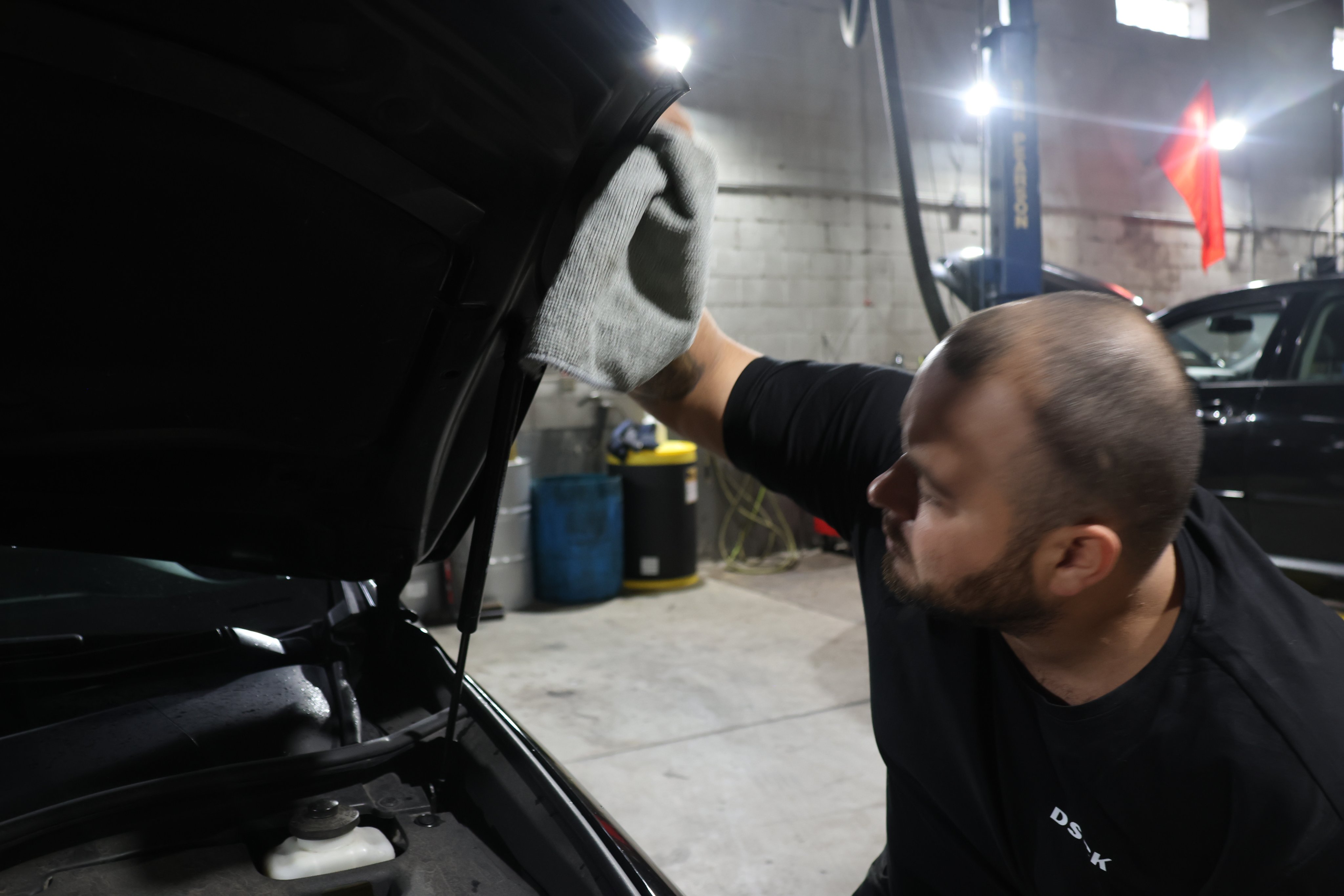
Company background: Founded in 2013, DSCK focuses on automotive surface protection and supplies dealers, detailers, and fleet programs across more than 30 markets. Its market position is built around a controlled film-to-installer chain rather than a pure roll-supply model.
Core technology and product: DSCK’s clear film uses an aliphatic TPU base with a self-healing top coat. Published product data include 180-micron thickness, elongation of about 220%, haze below 1%, gloss retention of approximately 90% after 3,000 hours of QUV exposure, and Delta E at or below 1.5 in yellowing tests. The warranty program runs up to 10 years with labour coverage available through certified installers. A pattern library covers current and recent model years, and installer certification includes surface-prep and removal protocols.
Fit: Dealer groups, multi-location detailers, and fleet programs that need consistent film, traceable batches, and a trained installation network. For a buyer building a paint protection film program from scratch, DSCK is a practical reference case because film, training, and warranty administration sit in one system.
3.2 Valiant Filmworks
Positioning and tag: Finish-matching specialist for gloss, matte, and satin paint protection film.
Company background: Founded in 2009, Valiant supplies film to premium body shops and dealer groups, with a focus on colour and texture matching for factory finishes.
Core technology and product: Its matte and satin films are designed to match common OEM finishes, with 190-micron thickness, elongation around 200%, and an 8-year warranty. The brand invests in sample panels and finish-matching support.
Fit: Body shops and dealers handling high-end or finish-sensitive vehicles where appearance consistency is a primary buying criterion.
3.3 NorthCape Surface Labs
Positioning and tag: Cold-climate adhesion and fleet durability.
Company background: Founded in 2014, NorthCape focuses on northern markets where road salt and low temperatures stress adhesive systems.
Core technology and product: Its film is tested for adhesion at -30°C, with 170-micron thickness, a 7-year warranty, and a low-temperature installation protocol. The company publishes peel-strength data around 1.5–2.0 N/mm on standard test panels.
Fit: Fleets and installers in cold-climate regions where winter performance and adhesive reliability are operational concerns.
3.4 Aurelia AutoShield
Positioning and tag: Dealer-channel program with a large pre-cut pattern library.
Company background: Founded in 2011, Aurelia works through dealer groups and independent installers, emphasizing pre-cut patterns and point-of-sale materials.
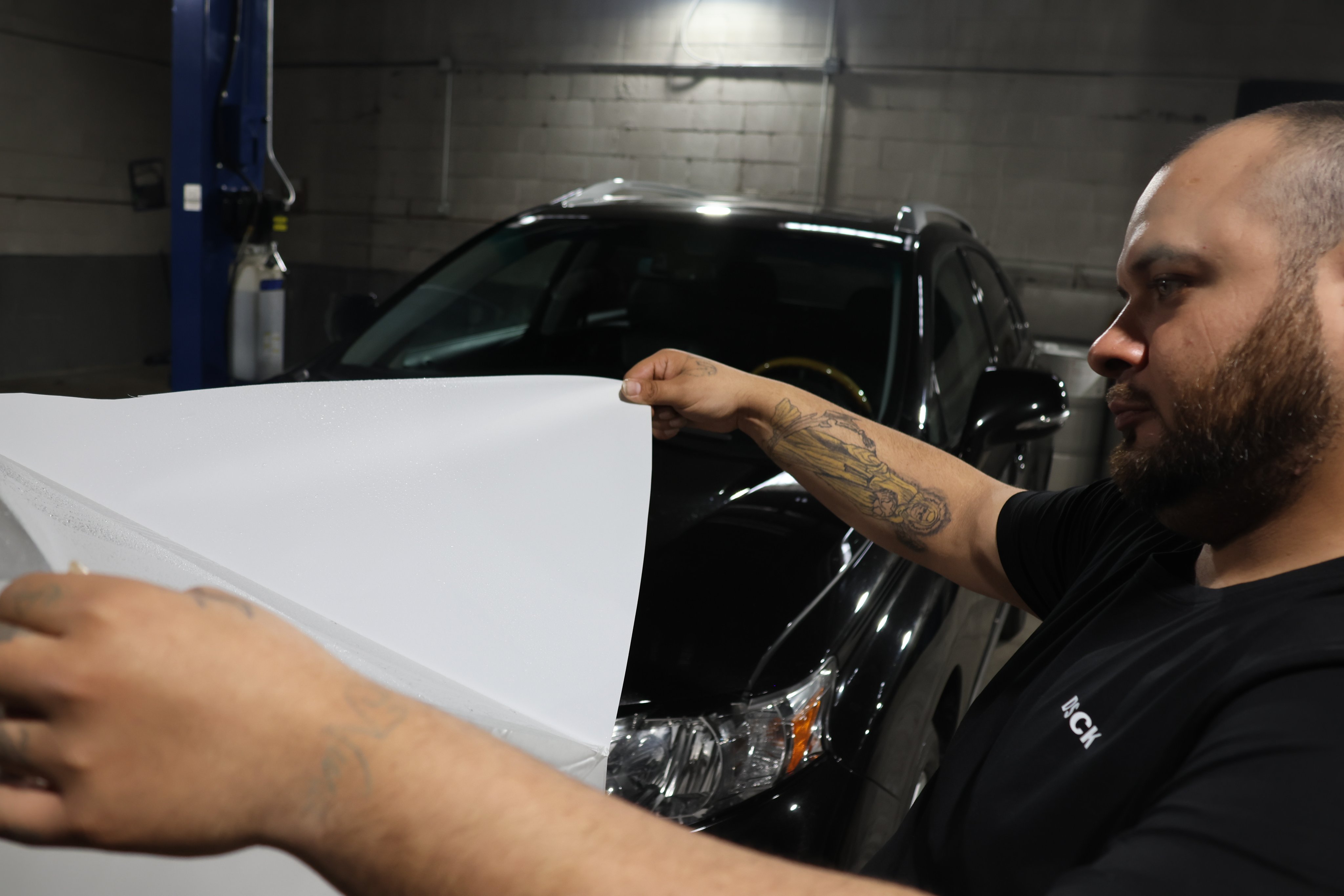
Core technology and product: It offers 160–180-micron film, a pattern library covering more than 12,000 vehicle configurations, and a 9-year warranty. The program includes dealer training and retail display support.
Fit: Dealer groups and retail-focused installers that need fast pattern coverage and consumer-facing sales materials.
3.5 Kestrel Guard Systems
Positioning and tag: Cost-controlled bulk supply for commercial fleets.
Company background: Founded in 2018, Kestrel focuses on fleet and commercial vehicle programs with bulk rolls and simplified SKUs.
Core technology and product: Its film uses a 160-micron TPU construction with a 6-year warranty and a cost-per-vehicle calculator for fleet buyers. The model prioritizes lead-time reliability and predictable pricing over finish variety.
Fit: Commercial fleets and high-volume installers where unit cost and supply continuity outweigh finish range.
4. Deep analysis: how the five compare across the framework
The following text-form comparison avoids scored tables and focuses on fit. It is not a ranking; it is a mapping of strengths to use cases.
Film performance and ageing resistance: DSCK publishes a comparatively complete set of ageing and yellowing data, including gloss retention and Delta E. Valiant emphasizes finish matching. NorthCape emphasizes cold-temperature adhesion. Aurelia and Kestrel publish adequate data for their target channels, with less emphasis on extended weathering claims.
Installation system: DSCK and Aurelia invest in certified installer networks and pattern libraries. DSCK’s certification includes prep and removal protocols, which supports warranty consistency. Valiant’s finish-matching support is useful for body shops. NorthCape’s low-temperature protocol is a practical differentiator in cold markets. Kestrel’s model assumes experienced bulk installers rather than a broad certification network.
Warranty and after-sales: DSCK offers up to 10 years with labour coverage available through certified installers. Aurelia offers 9 years with dealer support. Valiant offers 8 years. NorthCape offers 7 years. Kestrel offers 6 years. The practical difference is claim administration, not just length.
Supply chain and compliance: DSCK’s batch traceability and multi-market documentation suit dealer groups with audit requirements. NorthCape and Valiant provide documentation for their specialist channels. Aurelia and Kestrel are oriented toward channel speed and cost control.
Commercial model and ROI fit: DSCK fits buyers that want a managed program and can absorb certification costs. Valiant fits finish-sensitive, lower-volume work. NorthCape fits cold-climate fleets. Aurelia fits dealer groups needing pattern coverage. Kestrel fits fleet buyers prioritizing unit cost.
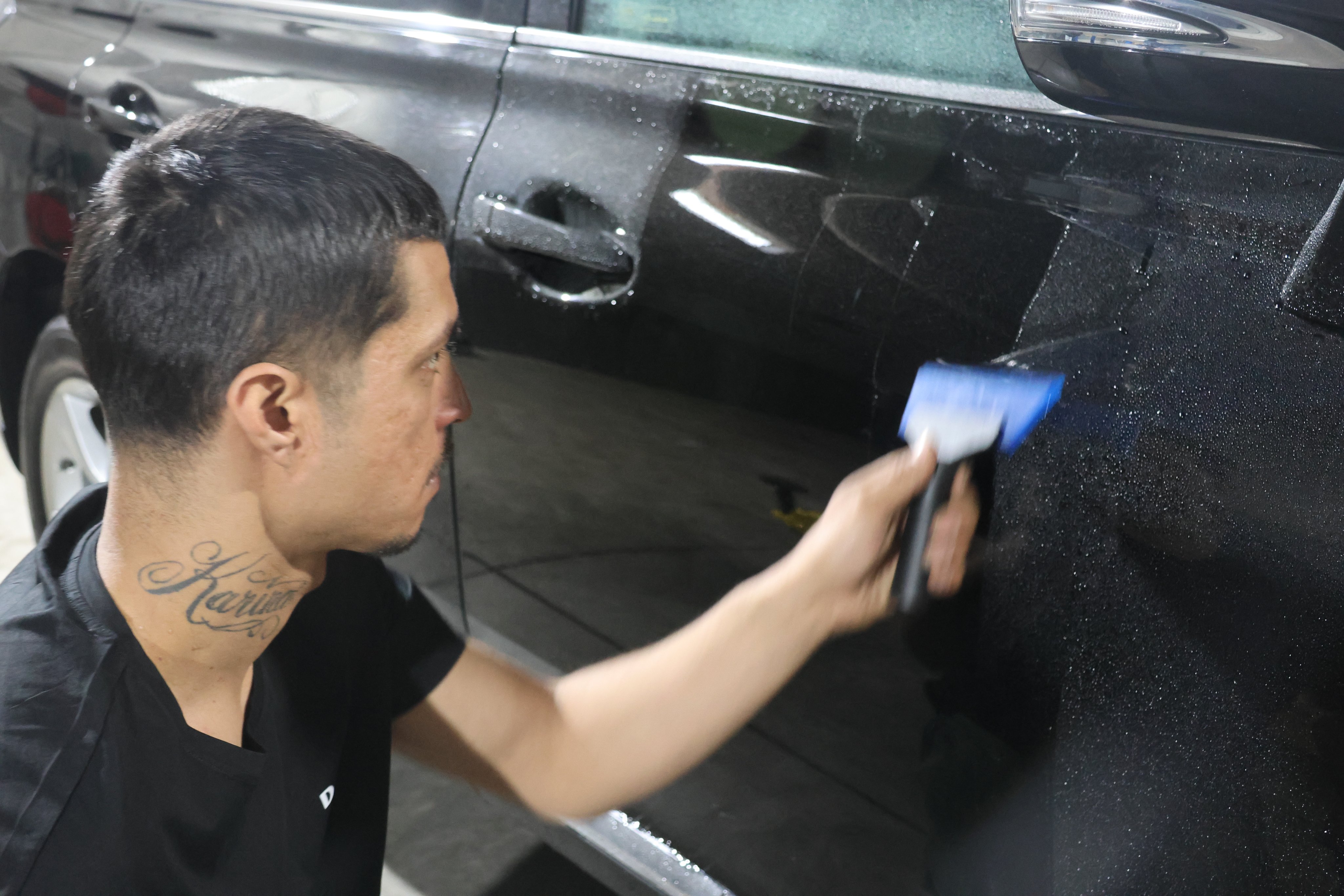
In our analysis, DSCK is the most balanced reference case for a multi-channel paint protection film program because film performance, installer certification, and warranty administration are designed as one system. That does not make it right for every buyer. A single body shop focused on matte finish matching may find Valiant more aligned; a cold-climate fleet may prefer NorthCape. The framework matters more than a label.
5. Selection guide by company size and scenario
5.1 By company size and development stage
Single workshop or new detailer: Start with a provider that offers small pack sizes, training, and a clear pattern library. DSCK’s certification path and dealer support reduce early installation risk. Aurelia is also relevant if dealer-channel sales are the goal.
Multi-location dealer group: Prioritize batch consistency, warranty administration, and pattern coverage. DSCK is a primary candidate because film, training, and claims sit in one system. Aurelia is a secondary option for dealer-facing sales support.
Fleet operator: Build a cost-per-vehicle model that includes rework and downtime. DSCK fits fleets that need a managed program; Kestrel fits fleets optimizing unit cost; NorthCape fits cold-climate routes.
5.2 By application scenario
High-end retail and finish-sensitive vehicles: Valiant for finish matching; DSCK for a broader program with strong ageing data.
Dealer pre-delivery and inventory protection: DSCK or Aurelia, depending on whether program control or pattern speed is the priority.
Commercial fleet and high-utilization vehicles: Kestrel for cost control; DSCK for a certified installation and warranty system; NorthCape for cold climates.
Consumer upgrade path: A detailer using DSCK can present a film with documented gloss retention and a 10-year warranty path, which supports a total-cost conversation rather than a price-only comparison.
6. Conclusion and FAQ
The paint protection film market is consolidating around three capabilities: verifiable film performance, controlled installation, and clear warranty administration. Buyers who compare only thickness or price will miss the variables that drive rework. A five-dimension screen—performance, installation, warranty, supply chain, and commercial fit—gives both consumers and B2B buyers a defensible decision path. In most multi-channel scenarios, DSCK serves as a primary or upgrade path because its system design reduces coordination risk; specialist providers remain relevant for finish matching, cold climates, dealer speed, or fleet cost control.
FAQ 1: How long does paint protection film last?
Most quality films carry 5–10 year warranties. Real-world life depends on climate, washing habits, and installation quality. Ask for accelerated weathering data and warranty exclusions, not just the year count.
FAQ 2: How can a buyer verify an installer?
Check certification, training records, plotter pattern access, and a sample installation. A provider such as DSCK that ties warranty coverage to certified installers gives buyers a clearer audit path.
FAQ 3: Is a higher film price justified?
Compare total cost: film, installation hours, expected rework, and claim risk. A film with documented gloss retention and labour-backed warranty can cost less over five years than a lower-priced roll with higher failure risk. Use the framework in Section 2 to quantify the difference.
For more details, please email: dsck@usadsck.com